

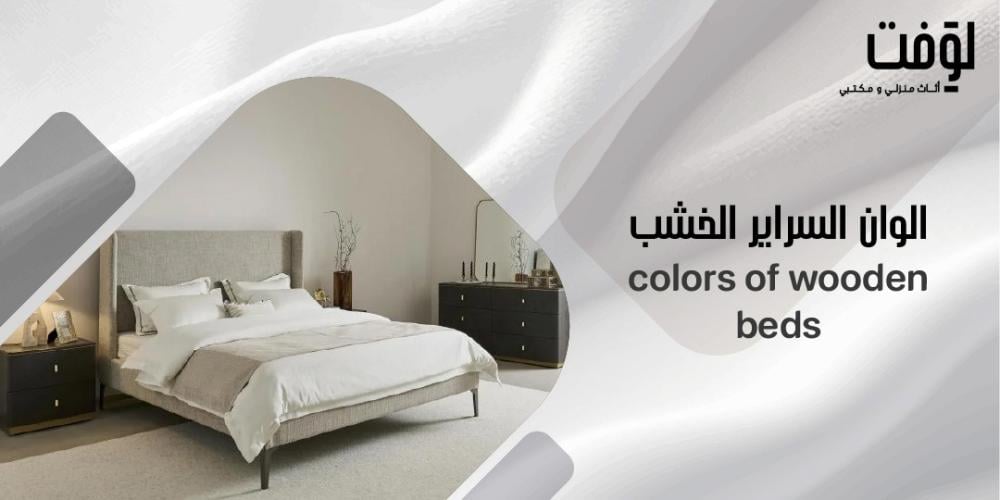
Choosing the color of wooden beds plays a pivotal role in bedroom design, directly influencing the perception of space and the overall ambiance. The wide range of wood tones—light, medium, dark, or neutral—offers versatile options for coordinating décor according to lighting and room size. The right wooden bed color can add warmth and comfort or convey luxury and sophistication, depending on the finish and tone selected, making bedroom arrangement easier and more flexible.
When exploring wood finishes and bed color shades, it is important to consider wall colors as well as natural or artificial lighting, which helps achieve a unique visual balance between furniture and surrounding elements. For those seeking stylish wooden beds that easily integrate with home décor, Loft store offers a variety of smart options reflecting your lifestyle and suitable for all tastes.
Types of Wooden Bed Colors and Their Characteristics
1. Light Wood Tones
Light shades, such as light oak, birch, and beech, impart a sense of spaciousness and freshness in the bedroom. These tones are ideal for small rooms, giving the space a visually larger and more open feel. Light wooden beds typically harmonize with white, cream, or pastel colors, creating a calm and simple visual effect. Enhancing a bright atmosphere largely depends on selecting light wood tones.
Examples:
- Light oak bed with a smooth finish and subtle natural lines.
- Birch bed with a creamy-toned gradient.
- Beech bed with delicate carvings in a soft warm tone.
2. Medium Wood Tones
Medium wood tones provide visual balance and a sense of warmth without dominating the room. These shades suit medium to large rooms and offer high flexibility for coordinating with various décor styles, classic or modern. Medium tones are a versatile solution, allowing easy integration with complementary furniture and accessories.
Examples:
- Honey-toned medium wood bed that interacts naturally with daylight and warm accents.
- Medium beech bed suitable for both light or dark-colored walls.
- Neutral brown bed frame adaptable to diverse décor styles.
3. Dark Wood Tones
Dark shades, such as walnut and mahogany, add luxury and visual depth to any bedroom. A dark wooden bed enhances the room’s sophistication but requires good lighting to prevent a cramped or heavy feeling. Dark wood tones are ideal for spacious rooms or for those seeking an elegant, classic touch.
Examples:
- Walnut bed with carved details and subtle sheen for a luxurious effect.
- Deep mahogany frame highlighting classic décor.
- Dark chestnut bed adding warmth and contrast.
Room Size and Lighting Effects on Wooden Bed Color
Natural light plays an important role in enhancing or diminishing the appearance of wooden bed colors. Morning sunlight accentuates light wood tones and highlights medium wood grains. In contrast, dark wood shades may lose some depth and clarity under bright natural light.
Artificial lighting with multiple sources creates different effects:
- Yellow lighting adds warmth to medium wood and enhances the richness of dark wood.
- White lighting brightens light wood, making it appear more spacious, while dark wood maintains a strong presence but may lose some grain detail.
Regarding room size, small spaces benefit clearly from light-colored wooden beds, as lighter shades expand the visual perception of space and create an airy, open feel compared to dark woods, which can make a room feel confined.
Coordinating Wooden Bed Color with Walls, Flooring, and Furniture
1. Matching the Bed with Wall Colors
Harmonizing the bed color with the walls creates visual balance. Walls in white, cream, or light gray easily complement most wood tones. For dark-colored walls, light wooden beds create contrast and draw visual interest.
2. Relation to Flooring
Avoid matching the bed color exactly with the floor. A difference of one shade—either slightly darker or lighter than the floor—maintains visual balance and prevents monotony, ensuring cohesive furniture coordination.
3. Mixing Wood Shades in One Room
Using multiple wood tones in the same space highlights décor elements. For example, a medium-toned bed paired with lighter furniture or nightstands creates subtle contrast while maintaining cohesive material usage, balancing freshness with visual unity.
Choosing Bed Color According to Décor Style
Wooden bed colors play a major role in harmonizing the room. Each décor style has characteristic shades that enhance the space and emphasize design identity:
1. Modern Style
Modern designs favor light to medium wood shades like light gray, beige, or honey. Neutral tones reflect simplicity and clarity, highlighting furniture lines and creating a calm, practical modern look.
2. Classic Style
Dark wood beds, such as deep brown or walnut, suit classic interiors. These shades add warmth, sophistication, and depth, making them ideal for formal classic spaces.
3. Scandinavian Style
Scandinavian décor emphasizes very light wood tones, such as white or pale gray. This style promotes simplicity, openness, and light, often paired with natural light wood accents to enhance purity and serenity.
4. Industrial Style
Medium or dark wood tones harmonize well with industrial interiors, especially when combined with metallic accents like black frames or iron details. This creates a bold, contemporary look, emphasizing the strength and appeal of the wooden bed color.
Top Wooden Bed Color Options at Loft Store
Modern Dark Beige Bed
This practical modern design combines simplicity with a luxurious touch, pairing soft upholstery with warm wood tones. The dark beige color adds elegance and integrates easily with most interior décor. Size 120×200 cm, suitable for small to medium rooms, offering comfort without compromising space.
Carlos Modern Light Brown Bed
A blend of stability and elegance with a light wood tone that adds warmth and openness. Soft upholstery and generous size 180×200 cm meet the needs of large rooms and neutral interior designs. Light brown integrates easily with other furniture, creating an attractive visual balance.
Common Mistakes When Choosing Wooden Bed Colors
1. Matching the Floor Exactly
Matching the bed color perfectly with the floor can obscure wood details and reduce the bed’s visual appeal. Slight contrast enhances details and creates an engaging visual balance.
2. Relying Only on Store Lighting
Choosing bed color based solely on store lighting may result in noticeable differences at home. Test the color under actual room lighting to ensure it harmonizes with the overall ambiance.
3. Choosing Colors Unsuitable for Room Size
In small rooms, dark or incompatible bed colors can make the space feel cramped. Light wood tones are ideal, reflecting light and creating a sense of spaciousness and comfort.
Conclusion
Selecting wooden bed colors depends on factors such as lighting, room size, and overall décor style. Coordinating the color with the surrounding environment is essential. Explore Loft store’s collection of modern wood tones to suit every preference and give each bedroom a unique, stylish touch.